Call and tell us where the water is showing, and we will send someone out fast anywhere in Queens.
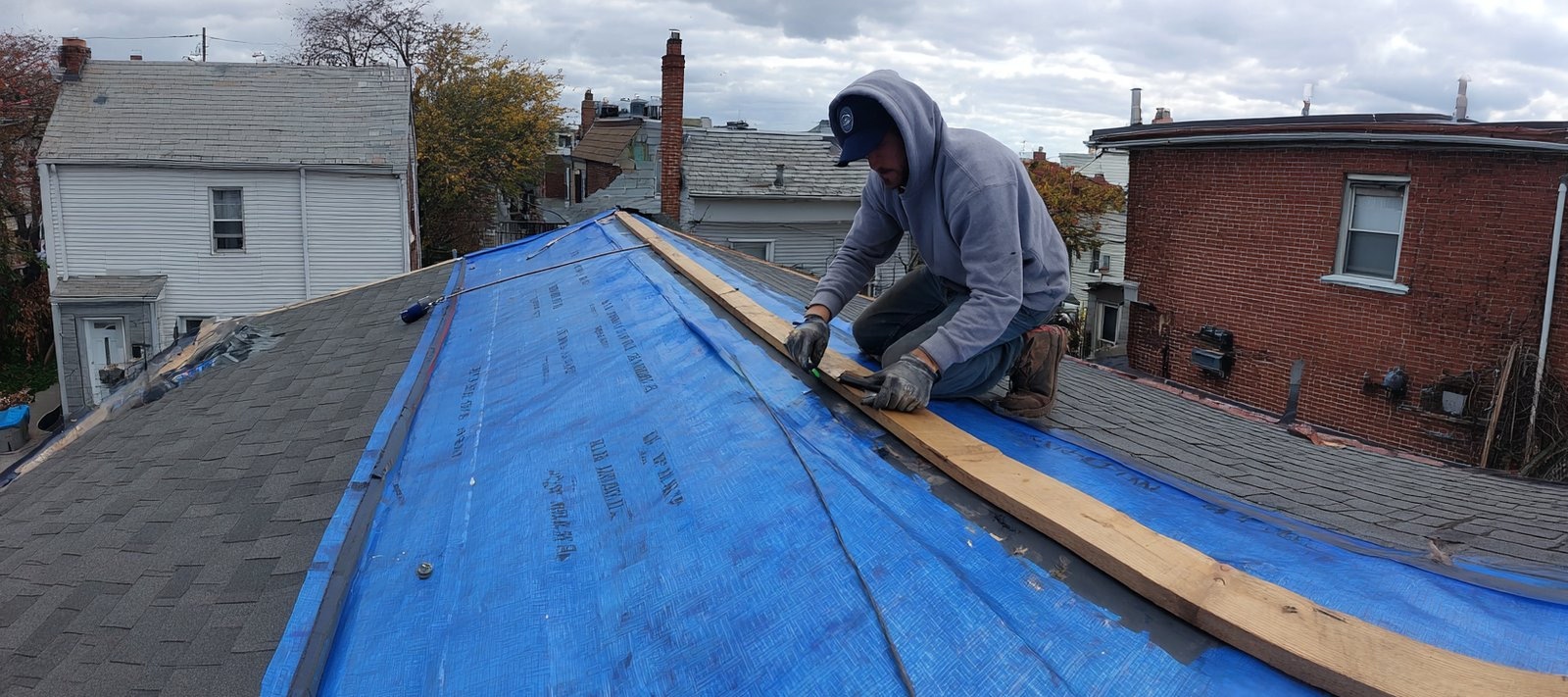

Tarp, patch or seal: four ways to hold a leak for now
Each method suits a different kind of damage. Sealed flashing is only a holding job. The proper flashing repair that comes after refits or replaces the metal.
| Method | Emergency tarping | Roofing cement patch | Flashing sealing | Our usual fix on Queens flat roofsMembrane patch |
|---|---|---|---|---|
| What it is | Heavy poly tarp fastened down with battens | Roofing cement pressed in over mesh | Sealant run along lifted metal | Peel-and-stick or torch-down patch |
| Suits | Wind-torn shingles, wide storm damage | Small holes, nail pops | Chimneys, walls, vents | Split seams on flat and modified bitumen roofs |
| Holds | A few weeks |
A few weeks |
Weeks to a couple of months |
One season, sometimes more |
Why stop the water before the real repair
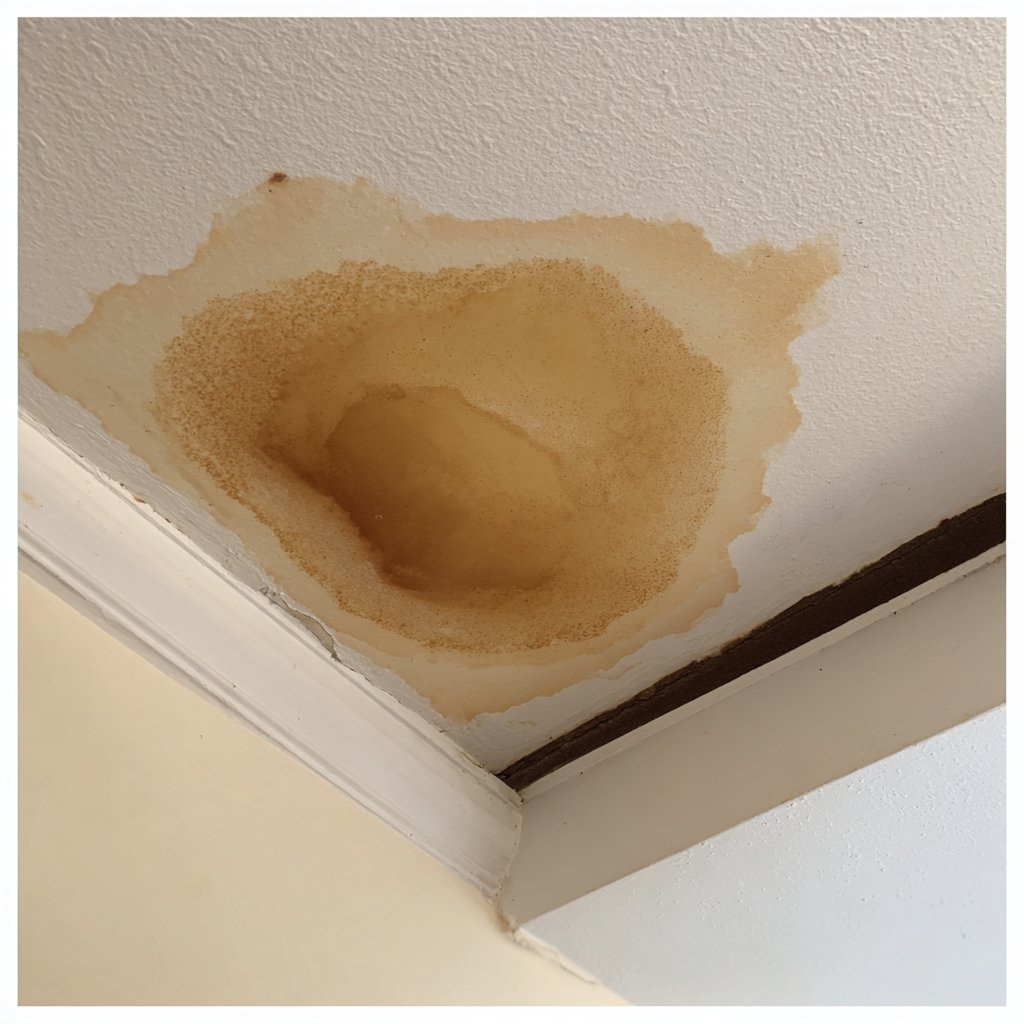
Water that gets through the roof does not stay put. It soaks insulation, runs along joists and shows up as a ceiling stain or a drip in the room below. Stopping it today keeps your drywall, floors and furniture dry.
- Insulation
- Drywall
- Floors & furniture
It also buys time. The leak source gets found and the permanent repair gets quoted properly, not rushed in the rain. We photograph wind and storm damage while it is fresh, which helps if the full storm damage repair goes through your insurer.
Four things happen before we leave
-
01
Find where it gets in
The wet spot is often not the source, so we follow the water back to where it actually enters the roof.
-
02
Make it watertight
Tarp, patch or seal, whichever the damage calls for.
-
03
Photograph the damage
You keep the pictures for your records or your insurer.
-
04
Leave a free written estimate
The permanent leak repair, priced on paper.
Your roof surface decides the patch
-
Flat roof
On apartment buildings and small commercial buildings, we patch the split membrane and seal around drains and parapets.
-
Low-slope roof
Two-family houses and rear extensions. Water sits longer here, so seams get cemented and lapped wide.
-
Modified bitumen
Common on multi-family buildings and townhouses. Blisters and splits get a patch of matching membrane.
-
Asphalt shingle
Single-family homes. Torn shingles get tarped, or cemented back down when only a few lifted.
Plan the permanent fix while the patch holds
Tarps and roofing cement patches hold for weeks, not seasons. Leave a tarp on through a Queens winter and wind will tear it loose. The permanent repair follows your written estimate: reflashing, replaced shingles or a new membrane section, which on a flat roof means a full bitumen repair once the patch has bought you time.
Before you book the stop-gap visit
 (347) 835-5040
Yes, a tarp can go on in the rain. Cement and membrane patches need a dry surface, so in heavy rain we tarp first and patch once it dries.
Weeks for a tarp or cement patch, a few months for a membrane patch. Treat temporary roof leak repair as a bridge to the permanent one.
Your written estimate spells that out. It lists the temporary work and the permanent repair line by line, so you see what each one costs.
Get the water stopped today
If a bucket is catching drips right now, call us and we will get a stop-gap on the roof.
We cover all of Queens.